
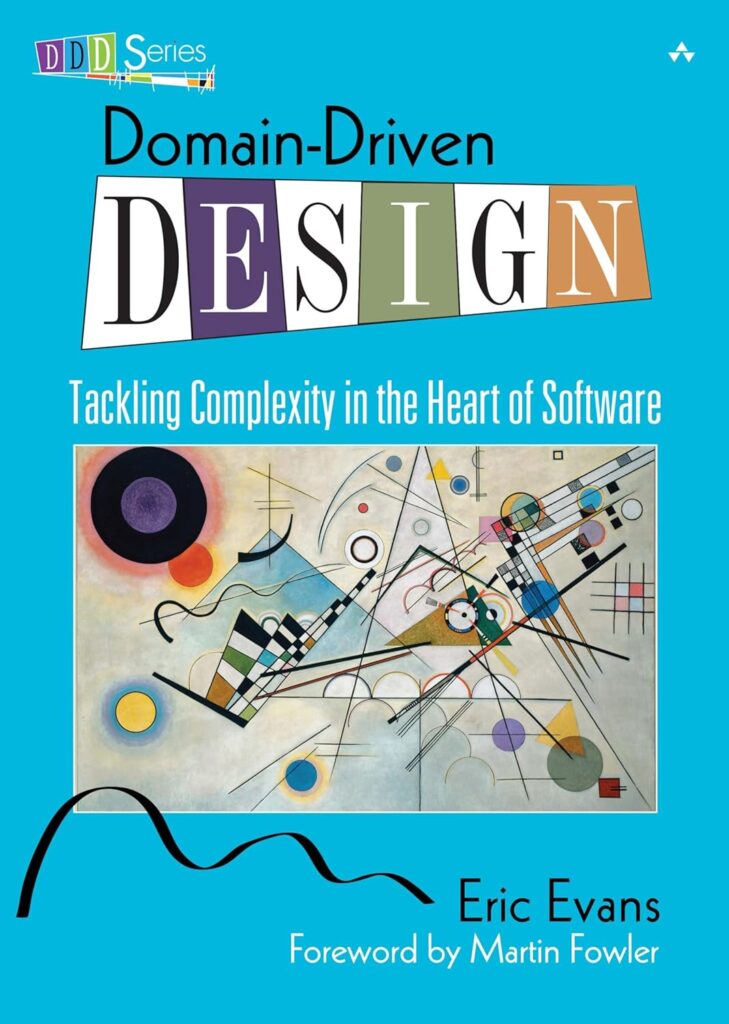

📝 Domain-Driven Design — Turning Business Complexity into Clear, Testable Models
🔍 Introduction
Domain-Driven Design (DDD) by Eric Evans is a masterpiece in building software that truly reflects business logic. Instead of drowning in layers of tech and jargon, DDD encourages teams to model real-world problems using a shared language between developers, testers, and business stakeholders.
While often seen as an architecture or design book, DDD has major implications for QA: it helps testers understand business intent, identify valuable test scenarios, and work with clear boundaries and behavior expectations.
This book is deep — but once you internalize its ideas, it transforms how you test and communicate.
📚 What You’ll Learn
- The core principles of DDD: Ubiquitous Language, Bounded Contexts, Aggregates, and Entities
- How to collaborate across roles to model domains accurately and usefully
- Ways to break large systems into testable, context-rich components
- The role of DDD in microservices, modular monoliths, and Agile delivery
- How to make complex logic traceable, testable, and maintainable
✅ Who Should Read This
- Testers working in complex business domains (finance, healthcare, logistics, etc.)
- QA engineers collaborating closely with developers and product experts
- Agile teams struggling with messy requirements or inconsistent terminology
- Test leads who want traceable, business-aligned test strategies
💡 My Top 3 Takeaways
- You can’t test what you don’t understand — and DDD helps you understand deeply.
- Aligning code and conversations through a shared language prevents miscommunication and rework.
- QA can drive DDD adoption by asking the right questions and insisting on clarity.
📦 Where to Buy
📘 Domain-Driven Design on Amazon
Affiliate link — purchasing through this helps support this blog and promote thoughtful, business-aligned QA 🧠