
📝 Peer Reviews — Catching Defects Before They Become Bugs
🔍 Introduction
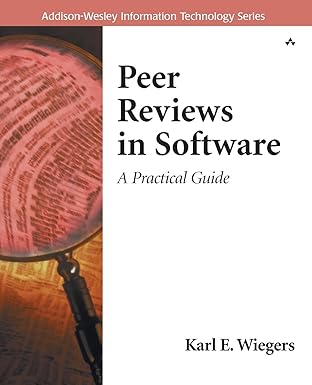
Peer Reviews in Software by Karl Wiegers is a practical, experience-driven guide to one of the most powerful (yet underrated) quality practices: peer review.
Whether you’re reviewing code, requirements, designs, or test plans, this book shows how structured reviews can prevent defects earlier, cheaper, and more effectively than almost any other QA method.
It also covers roles, preparation steps, checklists, and metrics — making it ideal for teams that want to implement reviews with consistency and value.
📚 What You’ll Learn
- Why peer reviews are more effective than testing at catching certain defects
- How to conduct inspection, walkthroughs, and informal reviews
- Roles and responsibilities: author, moderator, reviewer, recorder
- Tips for facilitating productive reviews without blame or politics
- How to track and report review results to show ROI and continuous improvement
✅ Who Should Read This
- QA engineers and test leads integrating reviews into quality strategy
- Developers seeking cleaner code and fewer rework cycles
- Agile teams looking to boost collaboration and accountability
- Managers aiming to reduce post-release defects and improve team knowledge sharing
💡 My Top 3 Takeaways
- Every hour spent in review saves hours of debugging and retesting.
- Structured reviews create a culture of learning, ownership, and preventive quality.
- Peer reviews aren’t just for code — they’re essential for requirements, test plans, and designs too.
📦 Where to Buy
📘 Peer Reviews in Software on Amazon
Affiliate link — using it supports this blog and the promotion of early quality techniques 🔍