
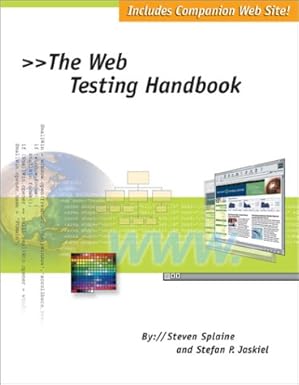

📝 The Web Testing Handbook — Practical Techniques for Modern Web QA
🔍 Introduction
Web applications are everywhere — and so are their bugs.
The Web Testing Handbook by Steven Splaine is a classic guide to testing web-based systems, covering both functional and non-functional aspects like usability, compatibility, and performance.
While originally published in the early 2000s, many of its concepts still apply — especially in risk-based prioritization, browser testing, navigation logic, and security awareness. It’s a great resource for testers working on consumer-facing sites, SaaS platforms, or e-commerce systems.
📚 What You’ll Learn
- The unique challenges of web vs. traditional application testing
- Key quality criteria for web apps: reliability, usability, compatibility, and security
- How to create a web test strategy, including page flows and boundary testing
- Common pitfalls in client/server architecture and dynamic content
- Test planning tips for multi-browser and multi-device environments
✅ Who Should Read This
- QA engineers testing web apps and cloud platforms
- Test leads designing strategies for cross-browser/device coverage
- Manual testers looking to level up in usability, accessibility, and risk-based testing
- Automation testers verifying UI workflows and backend integration
💡 My Top 3 Takeaways
- Web testing is never “done” — devices, browsers, and users are constantly changing.
- Risk-based prioritization helps QA teams focus on critical pages, paths, and features.
- Non-functional testing (like usability and performance) is just as important as checking functionality.
📦 Where to Buy
📘 The Web Testing Handbook on Amazon
Affiliate link — using it helps support this blog and promotes better web quality practices 🌐